

26 May Seatrade Cruise Global 2026: Crew Wellbeing, Leadership, and the Future of Crew Management
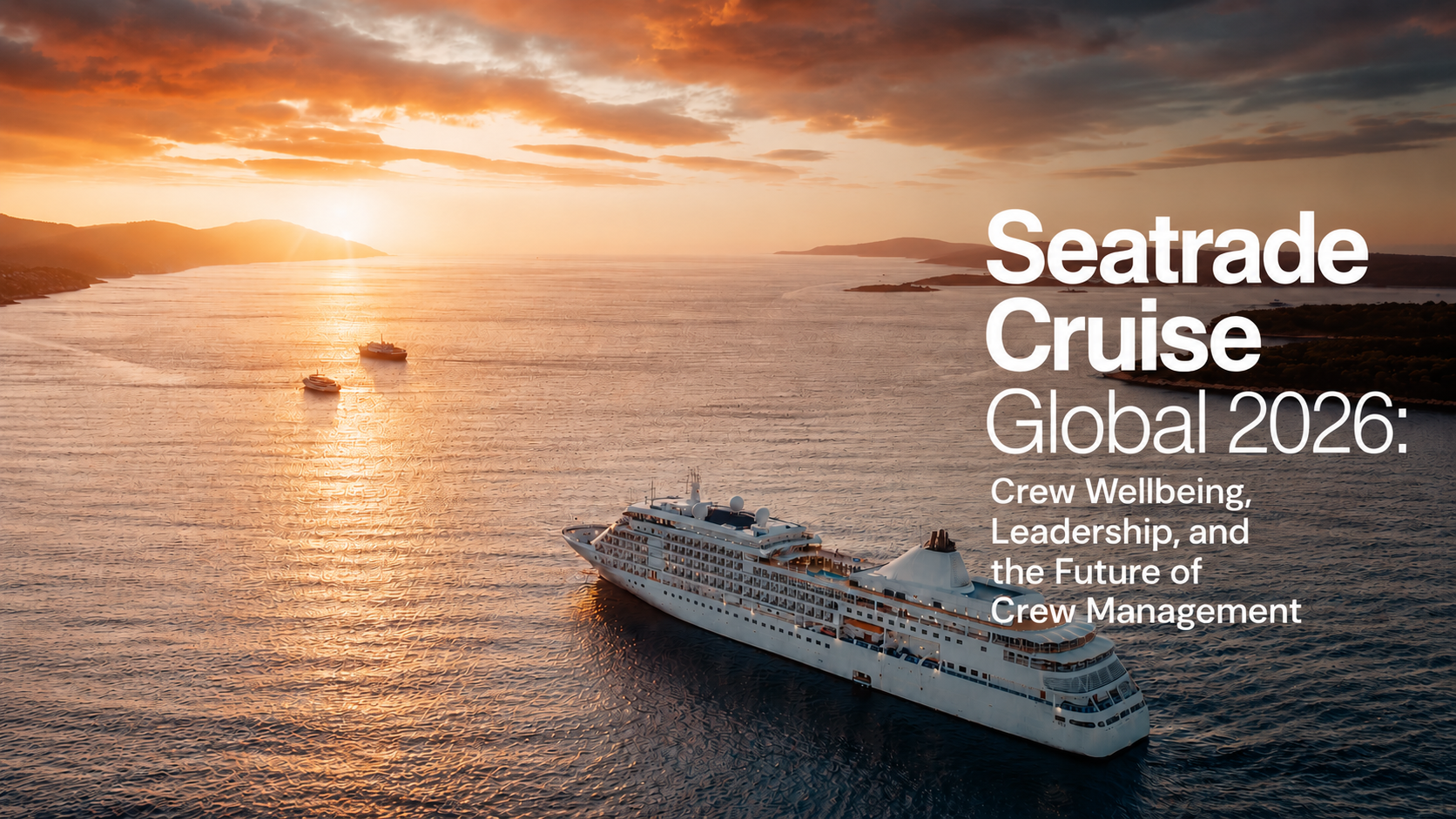
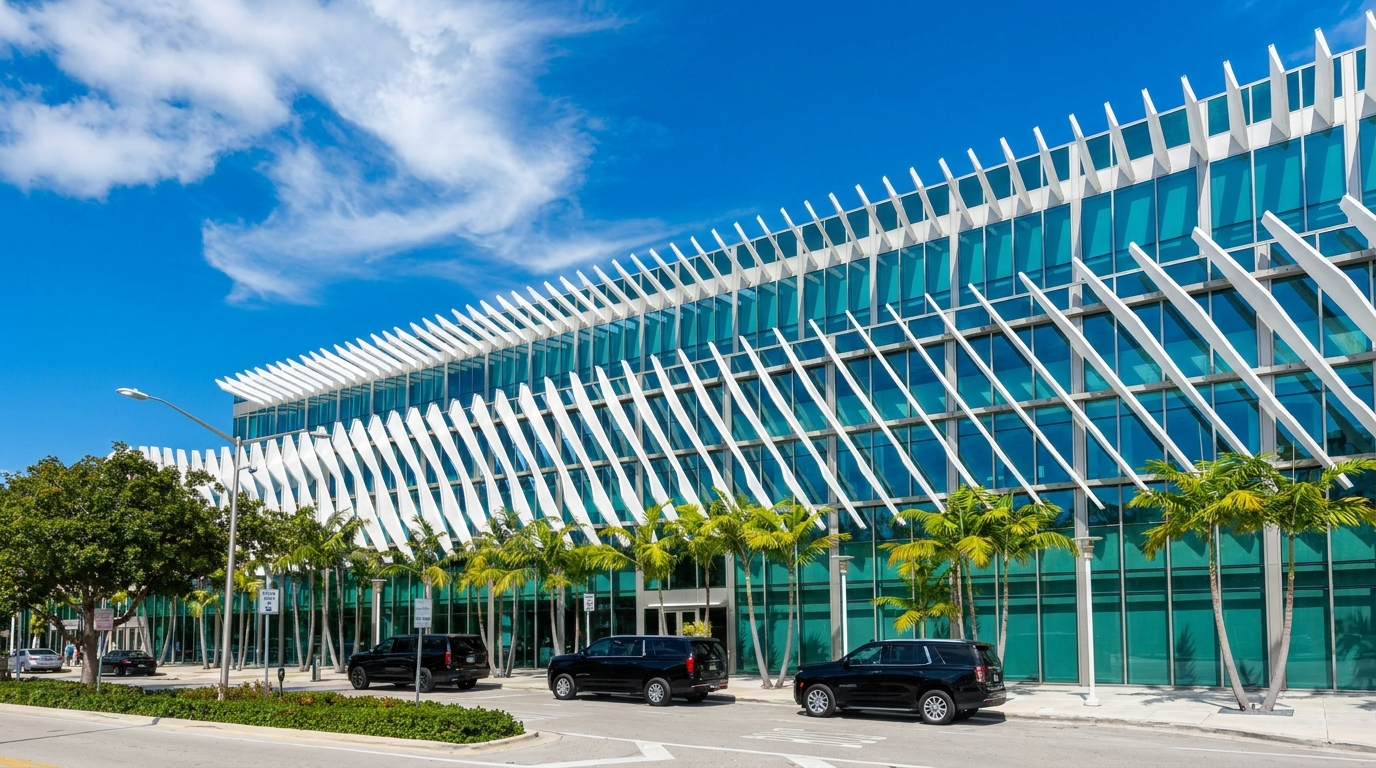
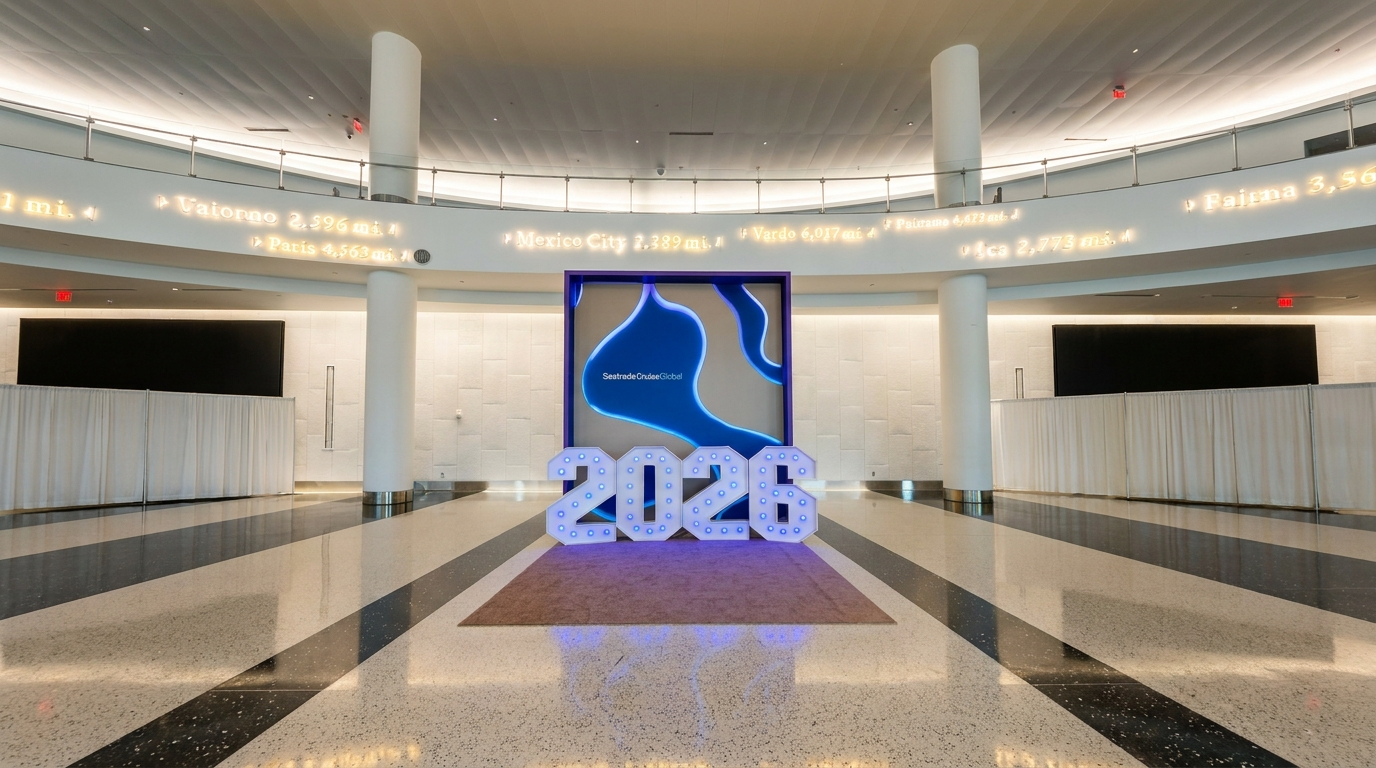
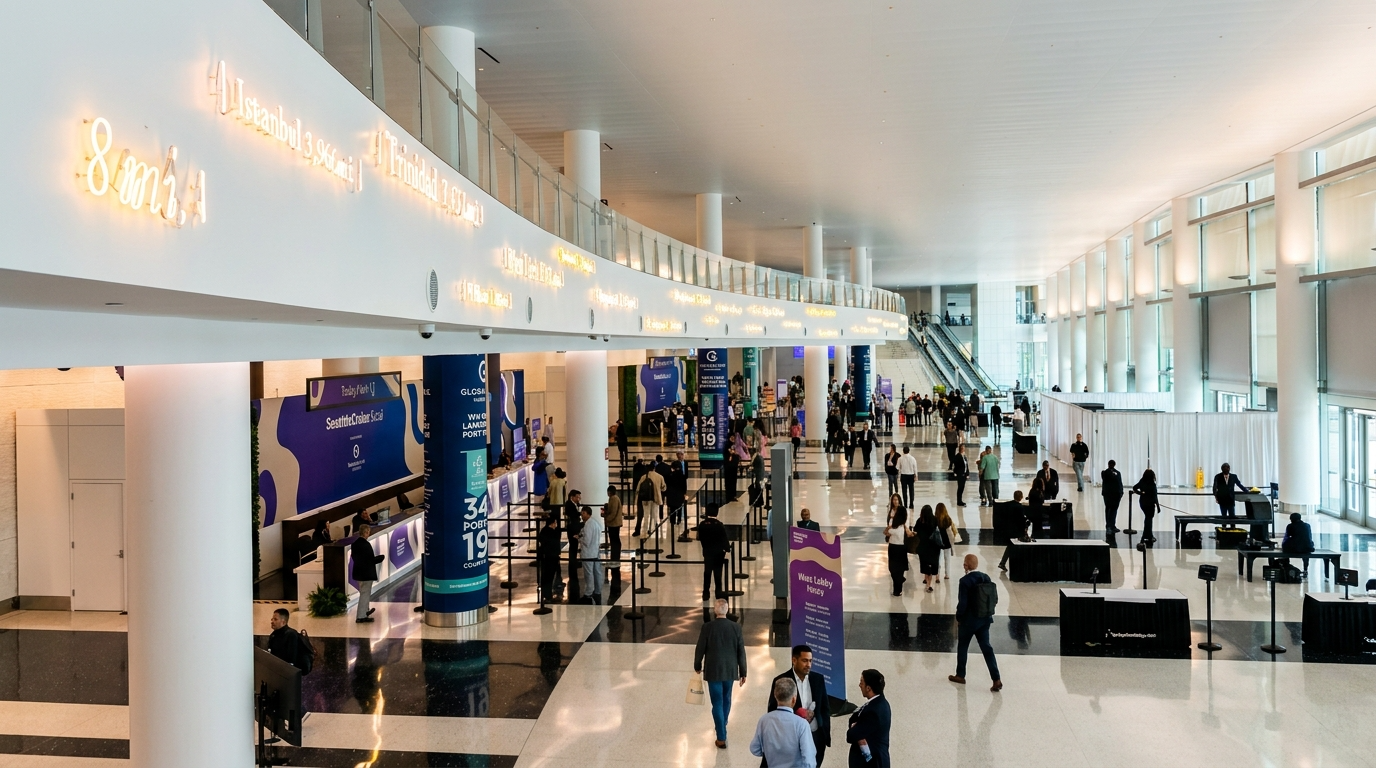
Seatrade Cruise Global 2026, held in Miami from 13–16 April, devoted an entire day to human capital management in the cruise industry through its Tomorrow’s Talent Today programme. Maritime Utilia attended the event , the largest edition in its 41-year history, with more than 650 exhibitors worldwide, to deepen its understanding of crew wellbeing, onboard leadership, and talent management.
What is the Tomorrow’s Talent Today programme?
The Tomorrow’s Talent Today programme is Seatrade Cruise Global’s dedicated track for HR, recruitment, training, and crew welfare professionals in the cruise industry. The 2026 edition brought together HR directors from major cruise lines, maritime psychologists, trainers, and academics to address the most pressing challenges in crew management.
Below are the main themes that emerged from the panels we attended.
How can crew wellbeing be ensured at scale?
Mental health and operational resilience at sea are now a top priority across the industry. The panel “Crew Wellbeing at Scale: Health and Resilience at Sea” explored the implementation of scalable psychological wellbeing protocols for large fleets.
Speakers included:
- Amy White, Vice President of Medical Operations at VIKAND
- Pam Kern, Director of Maritime Mental Health at Port Medical Management
- Mary Chaussee, Human Resources at Windstar Cruises
The discussion highlighted that onboard psychological support programmes are no longer an optional benefit but a core component of operational risk management. This is a theme Maritime Utilia addresses directly through its psychological assessment services for the maritime sector, where psychological wellbeing evaluation is integrated into crew selection and development protocols.
For a deeper look at how work interruptions affect crew performance — a topic closely related to this panel — see also our article “Why Work Interruptions Harm Performance: What Research Shows”.
Why is middle management leadership so critical onboard?
Two complementary sessions explored the role of leadership in shaping onboard organisational culture.
The panel “Why Leadership Matters: How Middle Managers Shape Crew Culture” examined how department heads, supervisors, and team leaders serve as the vital link between corporate directives and day-to-day crew operations. Speakers included:
- Steve Weller, Chief Executive Officer at Jobs on a Ship
- Michael Weidner, Chief Executive Officer at Maritime Performer
In the session “Communicating Across Cultures: Leading with Clarity and Safety”, Sofia Rizou, Director of Client Success and Mental Health at Maritime & Healthcare Group, explored the dynamics of cross-cultural communication onboard: how to ensure operational clarity and safety when the crew comes from dozens of different nationalities.
These themes sit at the core of Maritime Utilia’s work. Our managerial and soft skills training programme for the maritime sector is specifically designed to develop leadership and communication skills in onboard managers. For a deeper look at the relationship between ethical leadership and organisational performance, see also “The Role of Ethical Leadership in Organizations”.
What are the hidden pressures in shipboard people management?
The panel “Beyond Talent: The Hidden Pressures Shaping Shipboard People Management” shed light on the less visible challenges that cruise company HR leaders face daily: from talent retention in isolated environments to managing prolonged stress, as well as the contractual and cultural complexities of running a global crew.
Speakers included:
- Natalia Rolle Phillips, Director of People & Culture at Heinemann Americas
- Farid Musabayov, Head of Shipboard Talent Attraction at MSC Cruises
- Luca Fanciulli, Director of Crew Management at V.Ships Leisure
- Julia Siebert, Chief Operating Officer at COLUMBIA blue
These “invisible” pressures are precisely what a structured assessment process can intercept before they turn into turnover or incidents. Maritime Utilia addresses this through its assessment and development programmes, which combine validated psychometric tests with behavioural exercises designed for specific maritime roles.
Is leadership really the biggest competitive differentiator?
The closing debate of the day, “Tomorrow’s Talent Today Debate: Is Leadership the Biggest Differentiator — or Something Else?”, brought together diverse perspectives on the future of talent management in the cruise industry.
Speakers included:
- Joost van Ree, Vice President Commercial and Digital Platforms at Nevetal
- Martin Hedman, Managing Director and Maritime Psychologist at Marine Profile Sweden
- Illias Stefanatos, Captain at Marella Cruises
- Anca Preda, Director of Maritime HR — Cruise at Columbia Shipmanagement
- Adrian Pittaway, Founder at Cruise Retail Academy
The debate made clear that leadership remains a decisive factor, but on its own it is not enough: it must be supported by structured individual development plans, ongoing assessment, and an organisational culture that puts people first.
This is the same approach Maritime Utilia applies in its individual development plans for onboard management, where professional growth pathways are personalised on the basis of psychological assessment results and the specific operational needs of each role.
A look at the bigger picture: the cruise industry in 2026
Seatrade Cruise Global 2026 took place during a period of strong expansion for the sector. This year’s edition — the largest in the event’s 41-year history — carried the theme “Beyond the Horizon: Leveraging Cruising’s Strength and Scale to Drive Innovation.” The opening session, “State of the Cruise Industry,” featured the CEOs of Carnival Corporation, MSC Group’s Cruise Division, Norwegian Cruise Line Holdings, and Royal Caribbean Group, alongside CLIA (Cruise Lines International Association).
For a broader view of the technological transformations reshaping the maritime sector, see also our article “How Maritime Shipping is Getting Smarter in 2026”.

Sorry, the comment form is closed at this time.